Bonded & Insured
San Francisco, CA

San Francisco Roofing Contractor for Fog, Flat Roofs & Winter Storms

San Francisco roofs work harder than they look. Months of fog keep sheathing damp, salt air eats away at flashing, and dry summers hide small defects until the first atmospheric river drops three inches of rain in a weekend. Then the flat roof behind your parapet starts leaking into the bedroom ceiling. Roof Doctor is a local roofing team that finds where the water is actually getting in, whether that's a clogged scupper, a rotted box gutter or a cracked chimney flashing, and fixes it properly. You'll get honest pricing, careful work and a process that's simple from the first visit to final cleanup.

We work on the roofs this city actually has: Victorian and Edwardian homes in Noe Valley and Bernal Heights, Doelger row houses in the Outer Sunset, and Mediterranean homes with tile and flat sections in the Inner Richmond. We know how to stage a job on a steep, narrow street with no side yard, how to handle DBI reroof permits, and when a hidden low-slope roof needs a new membrane rather than another patch. We cover nearby Daly City and San Mateo too, plus Oakland and Palo Alto.

  • Bonded roofing contractor
  • Fully insured for your protection
  • Free, no-pressure project quotes
  • Financing available for larger projects
Free Estimate

Request Your Free Estimate

No obligation. Fast, honest quotes.

Prefer to talk? Call (415) 801-0116 — your details are never shared.

Credentials & Certifications BondedInsuredFinancing available
What We Do

Roofing Services for San Francisco Homes and Buildings

Every roof we touch starts with a clear diagnosis. Then we recommend what makes sense for the building, the budget and how long you plan to stay. Here's how each service works for Bay Area properties, from Victorian flat roofs to Eichlers and commercial buildings.

★ Specialty

Roof Repair

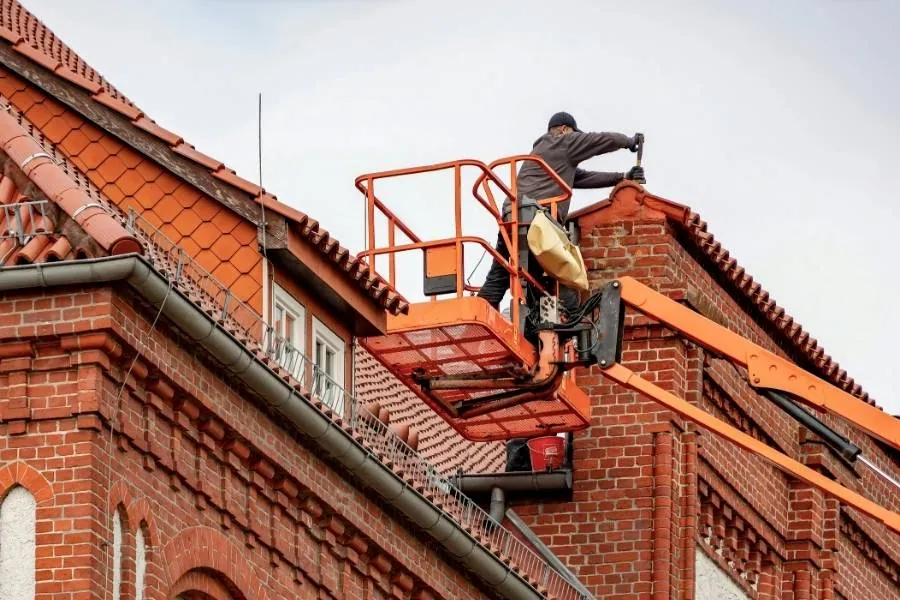
We track down and fix leaks, failed flashing, damaged shingles, worn membrane seams, clogged scuppers and deteriorated box gutters. The goal is a lasting repair at the actual source, not another layer of tar over the symptom.

We water-test suspect areas, inspect parapets, chimneys and light wells, and match materials to your existing roof. We use stainless or coated metal near the coast and send photos of what we found and what we fixed.

Most San Francisco leaks start at parapets, box gutters and wall flashing on hidden flat roofs. We're comfortable working on tight row-house roofs in the Outer Sunset and ornate Victorian rooflines in Noe Valley, and we repair cornices and gutters without disturbing historic detailing.

Best for: Homeowners with a specific leak, storm damage or worn flashing on a roof that still has useful life left, and who want an honest repair-versus-replace opinion.

Explore
★ Specialty

Roof Replacement

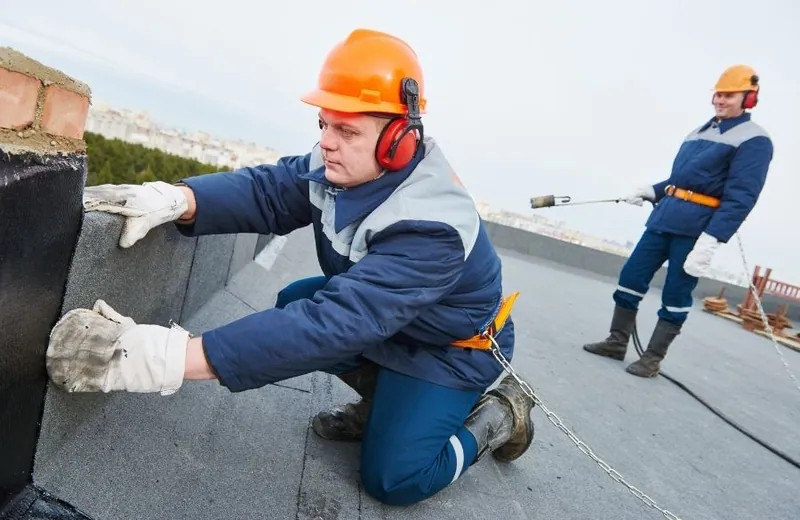
Complete tear-off and reroof. We remove old layers down to the deck, replace rotted sheathing, and install a new roofing system with proper underlayment, flashing, ventilation and drainage. We pull the permits and line up the inspections.

We take off every old layer, add plywood over skip sheathing, and install Title 24 cool-roof membranes on low-slope areas. Steep slopes get asphalt, tile or metal. We coordinate solar panel removal and reinstall and use hoists where street access is tight.

A lot of Bay Area roofs are tar-and-gravel or shake systems near the end of their life, often with two layers already on. We handle DBI permits, historic district considerations and Class A requirements for WUI homes in the Oakland Hills and Peninsula foothills.

Best for: Roofs with repeated leaks, multiple old layers, widespread rot, aging shake or tar-and-gravel, or owners preparing to sell or keep insurance coverage.

Explore

Roof Installation

New roofing for additions, new construction, ADUs and major remodels. We install complete systems built to current code and suited to the home's architecture, from low-slope membranes to tile, standing-seam metal and architectural shingles.

We coordinate with your architect or general contractor, confirm structural loads (critical for heavy tile in seismic zones), and detail every penetration, roof deck and skylight with proper flashing so it's ready for solar.

ADUs and garage conversions in the Excelsior and San Mateo, roof decks in Bernal Heights, and additions in Palo Alto's Crescent Park all need roofs that meet local Planning, energy and fire rules. We build to those requirements from day one.

Best for: Homeowners, builders and remodelers adding square footage, building ADUs, or choosing a new material during a renovation.

Explore

Roof Inspection

A thorough look at your roof's condition: membrane and shingles, flashing, drainage, parapets, chimneys, skylights, gutters and visible decking. You get a written summary with photos and prioritized recommendations.

We walk the roof where it's safe, check the attic or interior ceilings for moisture, test drainage paths and look closely at known Bay Area failure points like scuppers, box gutters and wall-to-roof flashing.

Inspections are most valuable in September and October, before the rains and the emergency backlog. They're also smart for buyers of older Victorians, landlords of multi-unit buildings, and WUI homeowners facing insurance questions.

Best for: Home buyers and sellers, property managers, HOA boards, and anyone who hasn't had the roof looked at in two or more years.

Explore

Roof Maintenance

Routine care that keeps small issues small. We clear scuppers, drains and gutters, reseal flashing, remove moss, replace a few damaged shingles, and touch up coatings so your roof reaches its full lifespan.

We schedule seasonal visits, with fall pre-storm prep being the most important. We remove moss gently without power-washing, recoat flat roofs where appropriate and give you a short written report after every visit.

Fog-belt homes in the Inner Richmond and Daly City need regular moss and gutter care. Flat roofs across the Mission and Sunset need clear scuppers before November. Tree-heavy lots in Montclair and San Mateo need debris removal.

Best for: Owners who want to avoid emergency calls, landlords and HOAs managing multiple buildings, and anyone with a flat roof or a roof deck.

Explore

Commercial Roofing

Repair, maintenance and replacement for commercial and mixed-use buildings, apartments, storefronts and HOA properties. That includes low-slope membrane systems, coatings, drainage upgrades and rooftop equipment flashing.

We install TPO, PVC, modified bitumen and silicone or elastomeric coatings. We coordinate around tenants and business hours, flash HVAC curbs and penetrations properly, and give property managers clear documentation.

Small 2–4 unit buildings, corner storefronts with apartments above, and condo HOAs in the Mission, Excelsior and Oakland need minimal tenant disruption, street-space permits for staging, and Title 24 cool-roof compliance.

Best for: Property managers, landlords, HOA boards and business owners responsible for flat or low-slope commercial and multi-unit roofs.

Explore

Emergency Roofing

Fast response when water is coming in. We tarp, seal and stabilize damaged roofs to stop further interior damage, then follow up with a clear plan and written quote for the permanent repair.

We install secured tarps or temporary membrane patches, clear blocked drains and scuppers that are causing ponding, and document the damage with photos for your records or insurance claim.

When an atmospheric river hits, hidden flat roofs across San Francisco start leaking all at once. We prioritize active leaks, fallen-tree damage in the Oakland hills and wind damage on exposed ridges.

Best for: Anyone with an active leak, storm or wind damage, or a fallen limb on the roof who needs it secured right away.

Explore
Know The Signs

Common Roofing Problems We See Across San Francisco and the Bay Area

Most Bay Area roof leaks don't start where homeowners expect. Water usually gets in at parapets, scuppers, box gutters, chimneys and light wells, not the open middle of the roof. Here are the problems we run into most, why they show up here, and how we fix them.

Active Storm Leaks from Failed Flashing and Clogged Scuppers Emergency

Water coming through ceilings, walls or light fixtures during a heavy storm. It's usually caused by flashing that's pulled away at a wall, chimney or skylight, or by a blocked scupper or drain that lets water pond and back up under the membrane.

Why it's common here

San Francisco's rain comes in a few intense bursts instead of steady drizzle. One atmospheric river can drop several inches in a day or two, often with strong westerly winds pushing water sideways into joints that stay dry the rest of the year. Months of dry weather let leaves, pigeon debris and windblown grit build up in scuppers and drains. Then the first big November storm hits a roof nobody has looked at since spring, and every roofer in the region gets booked up at the same time.

Signs you'll notice
  • Dripping or brown stains appearing during or right after rain
  • Bubbling paint or sagging drywall on top-floor ceilings
  • Water running down interior walls below parapets
  • Standing water on a flat roof 48 hours after rain stops
  • Overflowing scuppers or downspouts that aren't draining
  • Musty smell in upper rooms or the attic
Local patterns

Flat-roofed Victorians in the Mission and Noe Valley, and Doelger homes in the Outer Sunset and Excelsior, see this most often. We usually trace it to parapet caps, scuppers and wall-to-roof flashing. Leak calls spike after the first big storm of the season.

Our fix: We tarp or seal the roof to stop water right away, clear the drains, find the actual entry point, then quote a permanent flashing, scupper or membrane repair in writing.

Rotted Skip Sheathing, Fascia and Rafter Tails Serious

Wood decay in the roof structure: the spaced boards (skip sheathing) under old roofs, the fascia boards along the eaves, and exposed rafter tails. Rotted wood can't hold fasteners, so new roofing on top of it won't last.

Why it's common here

Constant fog and marine moisture keep wood damp for much of the year, especially in western neighborhoods where the sun rarely dries out north-facing eaves. Many San Francisco roofs still sit on skip sheathing from the original wood-shingle era, with one or two layers of later roofing stacked on top that trap moisture. Overflowing or rusted-through sheet-metal gutters soak fascia and rafter ends. Most of this stays hidden until tear-off, which is why scope often grows once the old layers come off.

Signs you'll notice
  • Soft or spongy spots when walking the roof
  • Fascia boards that are cracked, swollen or crumbling
  • Paint peeling along eaves and gutter lines
  • Sagging rooflines or wavy shingle rows
  • Gutters pulling away from the house
  • Daylight visible through attic boards
Local patterns

Common in the Outer Sunset, Inner Richmond, Glen Park and Daly City, where fog sits for days at a time. Pre-1915 homes in Haight-Ashbury and Bernal Heights often have skip sheathing that has to be overlaid with new plywood.

Our fix: We replace rotted boards and rafter tails, install new plywood decking over skip sheathing, and document hidden damage with photos before any change to the agreed scope.

Box Gutter and Parapet Wall Failures Serious

Leaks from built-in gutters set into the roof edge, or from the tops and inside faces of parapet walls. When the lining, coping or counterflashing fails, water runs straight into the wall cavity and ceilings below, often far from the actual entry point.

Why it's common here

Victorian and Edwardian builders hid roofs behind decorative false fronts and drained them through built-in box gutters. A century later, a lot of those gutter linings are rusted, patched with layers of tar, or sloped wrong after the building settled. Parapet caps crack from seismic movement and constant wet-dry cycles. Because these roofs can't be seen from the street, owners often don't find out until plaster stains show up two rooms away.

Signs you'll notice
  • Stains near exterior walls rather than mid-ceiling
  • Cracked or loose parapet coping
  • Rust stains or tar patches on gutter linings
  • Efflorescence or bubbling stucco on parapet faces
  • Water marks on cornices or below gutter outlets
Local patterns

Very common on Pacific Heights, Mission District and Noe Valley Victorians, and on shared parapets between Outer Sunset row houses, where the work has to be coordinated with the neighbors.

Our fix: We reline box gutters with new membrane or sheet metal, rebuild parapet caps with proper counterflashing, and correct slope so water reaches the scuppers.

Aging Tar-and-Gravel and Torch-Down Flat Roofs Moderate

Built-up tar-and-gravel and modified bitumen (torch-down) roofs that have reached the end of their service life. You'll see blistering, cracking, open seams, granule loss and ponding that keeps getting worse.

Why it's common here

Because the city is so dense, flat and low-slope roofs are everywhere here. A lot of them were installed decades ago and patched many times since. In San Francisco, damp conditions break down seams and feed algae. Inland, in San Jose, Willow Glen and the East Bay flatlands, summer heat in the 90s and 100s dries membranes out and cracks them. Roof decks built straight over the membrane add foot traffic and make inspection hard.

Signs you'll notice
  • Blisters or bubbles in the membrane surface
  • Cracks, alligatoring or bare spots without gravel
  • Seams lifting at edges and laps
  • Ponding areas that grow each season
  • Repeated patches in the same areas
  • Debris and vegetation growing in low spots
Local patterns

Doelger homes in the Outer Sunset and Daly City, Eichlers in Palo Alto and Willow Glen, and small apartment buildings across the Mission and Excelsior are near the end of their tar-and-gravel lifespan.

Our fix: We tear off down to the deck, correct drainage with tapered insulation or crickets, and install a Title 24-compliant cool membrane such as TPO, PVC or a modified system.

Chimney and Skylight Flashing Leaks Moderate

Water getting in where the roof meets a chimney, skylight or light well. Step flashing, counterflashing and curb seals separate, corrode or crack, and water runs down into framing and finished ceilings.

Why it's common here

Many San Francisco chimneys are unreinforced masonry, and plenty were cracked or shifted in the 1989 Loma Prieta quake. Even small movement breaks the seal between brick and flashing. Salt air corrodes steel flashing, and old skylights and light wells were often sealed with mastic that dries out after a few years of sun and fog. These are some of the most common leak sources we trace.

Signs you'll notice
  • Stains on the ceiling or wall beside the chimney
  • Water in the firebox or damp smell from the fireplace
  • Rusted or tar-covered flashing
  • Condensation or drips around skylight frames
  • Cracked mortar or loose bricks at the roofline
Local patterns

Frequent in Bernal Heights, Glen Park and Rockridge homes with older brick chimneys, and in Victorians with light wells. Coastal homes need stainless or coated flashing.

Our fix: We install new step and counterflashing, reseal or replace skylight curbs, and flag chimney masonry concerns so you can have a structural or seismic review done.

Moss, Lichen and Algae on Shaded Slopes Minor

Green or black growth on shingles, tile and shake, usually on north-facing or tree-shaded slopes. Moss holds water against the roof, lifts shingle edges and clogs gutters, which shortens roof life over time.

Why it's common here

The persistent marine layer over western San Francisco and Daly City keeps roof surfaces damp for days at a time. Tree cover in the Oakland hills and the Peninsula adds shade and leaf litter. In Santa Cruz County, 30+ inches of rain a year and heavy forest debris make it worse. Left alone, moss turns a minor maintenance task into early replacement.

Signs you'll notice
  • Green or black streaks on roof surfaces
  • Clumps of moss along shingle edges
  • Gutters filled with organic debris
  • Shingle tabs curling or lifting
  • Dark, damp patches that stay after rain
Local patterns

North slopes in the Outer Sunset, Inner Richmond and Montclair, plus wooded parts of San Mateo and the Santa Cruz Mountains. Shake roofs in the hills are especially vulnerable.

Our fix: We remove growth gently without power-washing, clear gutters, treat surfaces, and recommend zinc or copper strips or algae-resistant shingles where it fits.

Wind-Lifted Shingles and Loose Edge Metal Moderate

Shingles, ridge caps or drip edge that have been loosened, creased or blown off by wind. Once a few tabs lift, rain gets underneath them and the next gust pulls off more.

Why it's common here

Strong westerly onshore winds hit exposed ridges and coastal neighborhoods all year, and Diablo winds occasionally sweep the East Bay hills. Shingles installed with too few nails, or with fasteners corroded by salt air, are the first to go. Heat cycling inland also weakens adhesive strips.

Signs you'll notice
  • Shingles or ridge caps found in the yard
  • Creased or lifted shingle tabs
  • Flapping or bent drip edge
  • Exposed nail heads or underlayment
  • New leaks after a windy storm
Local patterns

Twin Peaks, Glen Park ridges, Daly City and the Oakland Hills see the most wind damage. Ocean-facing Outer Sunset homes also suffer fastener corrosion.

Our fix: We replace damaged shingles and edge metal with corrosion-resistant fasteners at the correct nailing pattern, and seal ridges to resist wind uplift.

Transparent Pricing

How Much Does a Roof Cost in San Francisco?

Bay Area roofing costs run higher than national averages because labor, materials and permitting here are among the most expensive in the country. Here are the main factors that drive your price, plus realistic ranges for common local projects.

Typical Project

Targeted leak repair

Flashing repair at a chimney, skylight or parapet, or scupper reconstruction on a San Francisco flat roof

$600 – $2,500
Typical Project

Row house flat roof replacement

Outer Sunset or Daly City Doelger home, roughly 1,000–1,400 sq ft low-slope roof, tear-off to deck, new cool-roof membrane, scuppers and parapet flashing

$14,000 – $28,000
Typical Project

Victorian full reroof

Noe Valley or Mission home with mixed flat and pitched sections, multiple layers, new plywood over skip sheathing, box gutter relining

$30,000 – $60,000
Typical Project

Hillside Class A upgrade

Oakland Hills or Peninsula foothill home, ~2,000 sq ft, replacing wood shake with Class A shingles or metal plus ember-resistant vents

$28,000 – $55,000
Roof Type and Material Primary Factor

Low-slope membranes like TPO, PVC and modified bitumen are priced differently than asphalt shingles, clay tile, slate or standing-seam metal. Tile and slate cost more and may need a structural review in seismic zones. Homes in WUI areas need Class A assemblies. Title 24 cool-roof requirements on many low-slope reroofs affect which membranes qualify, and that changes material cost. The roof's size and pitch also set the baseline labor.

Tear-Off Layers and Hidden Decking Damage Primary Factor

Many San Francisco roofs have two or more old layers over skip sheathing, and all of it has to come off. Removing extra layers adds labor and disposal fees. Fog-driven rot in sheathing, fascia and rafter tails often only shows up during tear-off. New plywood decking over skip sheathing is common on pre-1940s homes. We include clear per-sheet allowances so nothing comes as a surprise.

Access, Staging and Street Permits Major Factor

Attached homes with no side yards, steep streets, limited parking and multi-story Victorians all make material delivery and debris removal harder. Jobs may need SFMTA street-space permits, hoists or conveyors, and extra labor to carry materials. A three-story Pacific Heights home costs more to roof than a single-story Daly City home of the same size.

Flashing, Drainage and Architectural Details Major Factor

Parapets, box gutters, scuppers, chimneys, skylights, light wells and roof decks all need detailed flashing work. Relining a Victorian box gutter or rebuilding parapet caps adds real cost, but it's often where the leak actually starts. Correcting ponding with tapered insulation or crickets adds materials. Historic cornice and gutter work takes extra care.

Permits, Solar and Code Upgrades Secondary Factor

Permit fees vary by city and county. Solar panel removal and reinstallation is usually handled by your solar company and billed separately. Ember-resistant vents in WUI zones, asbestos abatement under BAAQMD rules for old felts or mastics, and HOA-required materials can all add to the total.

Financing is available for roof replacements and larger repairs. Ask about options when you get your free quote. On a $1M–$3M Bay Area home, a sound roof protects your interiors and resale value. It also keeps your insurability intact, which matters more as insurers get pickier about roof condition. Fixing it before the rains is almost always cheaper than repairing water damage afterward.

Local Expertise

Why San Francisco Roofs Need a Local Roofing Specialist

A roof that would last 25 years in a dry inland town can fail much sooner here. Bay Area microclimates, century-old housing, dense lots and city-by-city permit rules all shape what a roof needs and how a roofing project has to be planned, permitted and built.

Fog, Salt Air and Short, Violent Rainy Seasons

San Francisco gets roughly 20–24 inches of rain a year, and almost all of it falls between November and March. Atmospheric river storms can dump several inches in 24–48 hours, and wind-driven rain finds every failed flashing seam, clogged scupper and low spot on a flat roof. Because summers are dry, defects often sit unnoticed for months. Meanwhile, the marine layer over the Sunset, Richmond, Twin Peaks and Daly City keeps roofs damp most of the year. That moisture feeds moss and lichen on north-facing slopes, rots fascia and skip sheathing, and speeds corrosion of steel fasteners. Within a few miles of the ocean or Bay, salt air chews through galvanized metal, so we spec stainless or coated components. Inland areas like San Jose and the East Bay flatlands hit 90–100°F+ in summer, which bakes asphalt shingles and torch-down membranes.

Some of the Oldest Housing on the West Coast

Much of the city was built between the 1870s and 1915. Victorians and Edwardians in Haight-Ashbury, the Mission, Pacific Heights and Bernal Heights often hide low-slope or flat roofs behind ornate false fronts, with built-in box gutters and parapets that leak long before the roof field does. Tightly packed 1930s–50s Doelger row houses in the Outer Sunset and Daly City share parapet walls and frequently carry roof decks built right over the membrane. Many roofs have two or more old layers on top of original skip sheathing from the wood-shingle era, so a proper reroof usually means stripping down to the deck. Add unreinforced masonry chimneys (plenty were cracked in the 1989 Loma Prieta quake), skylights, light wells and rooftop solar, and you've got a lot of places where water can get in.

Permits, Historic Review and Fire Codes

San Francisco's Department of Building Inspection requires a permit for reroofing, and the California Building Code and Title 24 energy rules apply. That includes cool-roof reflectance requirements on many low-slope reroofs. Most jurisdictions cap roofs at two layers, which is why tear-offs are so common. Homes in Article 10/11 historic districts like Alamo Square, Liberty Hill or Duboce Park may need Planning Department review for visible changes to rooflines, parapets or cornices, and roof decks or new skylights can trigger Section 311 neighbor notification. Across the bridge, Wildland-Urban Interface zones in the Oakland hills and Peninsula foothills fall under CBC Chapter 7A, which requires Class A roof assemblies and ember-resistant vents. Oakland, Palo Alto, San Mateo County and every other jurisdiction run their own permit process, and BAAQMD rules can apply if old felts or mastics contain asbestos.

High Stakes, High Expectations

With homes in San Francisco, Palo Alto and Menlo Park regularly valued at $1M–$3M or more, the roof protects a huge investment. Bay Area labor and material costs are among the highest in the country, and some insurers have pulled back from California, so roof condition increasingly affects coverage and renewals. Many owners are busy professionals, landlords of 2–4 unit buildings, TIC partners or condo HOA boards. They want detailed written estimates, quick replies and someone who'll coordinate the permits, the neighbors and the solar company. We set up our process around exactly that.

Roof Doctor Roofing Contractor in San Francisco, CA project in San Francisco, CA (1)
San Francisco, CA
Roof Doctor Roofing Contractor in San Francisco, CA project in San Francisco, CA (2)
roofing
Talk to a Local Expert
The Roof Doctor Difference

Why San Francisco Homeowners Choose Roof Doctor

We Know Bay Area Roofs, Not Just Roofing

A Victorian in Haight-Ashbury, a Doelger row house in the Outer Sunset and an Eichler in Palo Alto each fail in completely different ways. We understand hidden flat roofs behind false fronts, built-in box gutters, skip sheathing, shared parapets and the fog-driven rot that runs through western neighborhoods. That local knowledge means we find the real leak source faster and recommend materials that hold up to salt air, marine moisture and inland heat. You don't end up paying for a generic fix that fails next winter.

Bonded and Insured for Your Protection

Roof Doctor is bonded and insured. Roofing is high-risk work, and on dense San Francisco lots our crews are working inches from your neighbor's home. Proper coverage protects you, your property and the people next door if something unexpected happens. We're glad to provide proof of coverage before work starts. We also encourage every Bay Area homeowner to verify any contractor's CSLB license and workers' comp status, since careful hiring is the best way to avoid problems.

Honest, Itemized Pricing

Bay Area roofing isn't cheap, and you deserve to know exactly where your money goes. Our written estimates break out tear-off, decking, flashing, materials, permits and disposal so you can compare quotes fairly. If tear-off uncovers rotted sheathing or rafter tails, which happens a lot in fog-belt homes, we photograph it and talk with you before any extra work. We follow California's deposit limits, and we'll tell you when a repair makes more sense than a replacement.

Specialists in Flat and Low-Slope Roofs

Flat and low-slope roofs cover a big share of San Francisco: Victorians, row houses, small apartment buildings and Eichlers. We spend a lot of our time on drainage, scuppers, parapet caps, wall flashing and membrane systems like TPO, PVC, modified bitumen and cool-roof coatings. We correct ponding with tapered insulation and crickets, detail roof decks properly, and meet Title 24 cool-roof requirements. These roofs are hard to get right, and they're where much of our expertise lies.

We Handle Permits, Access and Coordination

Steep streets, no side yards, SFMTA street-space permits, HOA approvals, historic review and solar panel removal can turn a simple reroof into a project management headache. We take care of it for you. That means filing permits, arranging hoists and staging, scheduling the solar installer, and giving neighbors on shared walls a heads-up. Busy professionals, out-of-town landlords and HOA boards get one point of contact and regular updates without chasing anyone.

Fast Help When Storms Hit

The Bay Area's rainy season is short and intense, and leaks all show up at once. Emergency roofing is one of our core services. We tarp and seal active leaks, clear blocked scuppers and drains causing ponding, and document damage for insurance. Once the water's stopped, we come back with a clear plan for the permanent fix. And if you'd rather skip the emergency altogether, we offer pre-season inspections in early fall.

Flexible Financing for Bigger Projects

A full tear-off on a Bay Area home is a significant investment, especially when hidden rot or code upgrades like Class A materials in WUI zones are involved. Financing is available, so you can deal with a failing roof now instead of waiting through another rainy season and risking interior damage. We'll walk you through the options when we deliver your estimate, with no pressure, so you can choose what works for your budget.

Simple & Transparent

Our Roofing Process, Start to Finish

Bay Area projects come with permits, access headaches and neighbors to coordinate. Our five-step process keeps it simple and transparent, with no surprises on price, scope or schedule.

Free Consultation and Roof Assessment

Usually scheduled within a few days; faster for active leaks
  • We talk through your concerns, the roof's history and your goals
  • We inspect the roof, parapets, gutters, flashing and interior ceilings
  • We photograph problem areas and note access and staging needs
  • We tell you honestly whether repair or replacement makes more sense

Local note: On attached row houses, we check shared parapets and note whether neighbors need a heads-up. On older homes, we look for multiple layers and skip sheathing.

Clear Written Estimate

Typically within a few business days of the visit
  • Itemized scope covering materials, tear-off, decking allowances and flashing
  • Options when they're relevant, such as membrane types or shingle grades
  • Notes on permits, solar coordination and code requirements
  • Financing options explained for larger projects

Local note: California caps home improvement deposits at 10% or $1,000, whichever is less. Our payment terms follow state rules.

Permits, Approvals and Scheduling

Varies by jurisdiction, from a few days to several weeks
  • We file reroof permits with DBI or the local building department
  • We coordinate with HOAs, condo boards or Planning when needed
  • We arrange street-space permits, dumpsters or hoists for tight access
  • We schedule your solar installer for panel removal if you have panels

Local note: Historic districts and WUI fire zones add steps. We'll flag them early so your timeline stays realistic.

Professional Installation or Repair

Repairs often take 1 day; most residential reroofs take 2–5 days
  • We protect landscaping, walkways and neighboring property
  • We tear off old layers and replace any rotted decking
  • We install underlayment, flashing, drainage and the new roofing system
  • We send you daily updates and photos of any hidden damage before extra work

Local note: We watch the forecast closely during the rainy season and keep the roof watertight at the end of every workday.

Final Inspection, Cleanup and Handoff

Final day of the project, plus city inspection
  • Full site cleanup, including a magnetic sweep for nails
  • Our own quality walkthrough, then the city or county final inspection
  • We hand over photos, product information and maintenance tips
  • We follow up to make sure you're happy with the work

Local note: We'll recommend a fall check-up schedule suited to your microclimate, whether that's the fog belt, the coast or the inland heat zones.

Trusted Locally

A Roofing Team San Francisco Homeowners Can Trust

Service Radius Around San Francisco
20-Mile
San Francisco, CA

Bay Area homeowners research carefully before they hire, and we think that's how it should be. We earn trust with clear written estimates, quick replies, photos of what we find and careful work on homes that matter a great deal to the people who live in them.

$0
Cost for Your Roof Quote
7
Roofing Services, Residential to Commercial
100%
Bonded & Insured Crews
BondedInsuredFinancing available
Where We Work

Roofing Service Areas Around San Francisco

Roof Doctor is based in San Francisco and serves homes and buildings across the city, the Peninsula and the East Bay. Each area has its own climate, housing stock and permit office, and we plan every job around those differences.

San Francisco Neighborhoods

Outer Sunset & Inner RichmondNoe Valley & Mission DistrictPacific Heights & Haight-AshburyBernal Heights & Glen ParkExcelsior

Peninsula & South Bay

Daly CitySan Mateo & San Mateo CountyPalo Alto (Crescent Park, Professorville)San Jose & Willow GlenSanta Clara County

East Bay & Beyond

OaklandRockridgeOakland Hills (Montclair)Alameda CountySanta Cruz County

Our standard service radius is 20 miles from San Francisco. For projects farther out, including parts of Santa Clara and Santa Cruz Counties, call us to confirm availability and scheduling. Not sure if we cover your area? Call (415) 801-0116.

Find Us

Serving San Francisco, CA & Nearby

1675 Eddy St #309, San Francisco, CA, 94115 · Monday - Sunday: 7AM - 7PM

Outer Sunset & Inner RichmondNoe Valley & Mission DistrictPacific Heights & Haight-AshburyBernal Heights & Glen ParkExcelsiorDaly CitySan Mateo & San Mateo CountyPalo Alto (Crescent Park, Professorville)San Jose & Willow GlenSanta Clara CountyOaklandRockridgeOakland Hills (Montclair)Alameda County
Questions & Answers

San Francisco Roofing FAQs

How much does a new roof cost in San Francisco?

Most San Francisco roof replacements fall between about $14,000 and $60,000. A compact flat roof on an Outer Sunset row house usually lands at the low end. A multi-layer tear-off on a three-story Victorian with box gutters and new decking lands at the high end. Costs here run above national averages because of Bay Area labor rates, difficult access, permit requirements and the hidden rot that's common under old layers. Small repairs often run $600–$2,500. We provide free, itemized written estimates so you can see exactly what's included and compare quotes fairly.

Do I need a permit to replace my roof in San Francisco?

Yes. San Francisco's Department of Building Inspection requires a permit for reroofing, and the work has to meet the California Building Code and Title 24 energy rules, including cool-roof reflectance on many low-slope roofs. If your home is in a historic district like Alamo Square or Liberty Hill, Planning may review visible changes. Adding roof decks or skylights can trigger neighbor notification. Oakland, Palo Alto, San Mateo County and other jurisdictions each have their own permit process. We handle the filing and inspections for you.

How long does a roof replacement take?

Most residential reroofs in the Bay Area take 2–5 working days once materials and permits are in place. Simple repairs are often done in a single day. Larger Victorians, homes with significant decking replacement, or buildings needing hoists and street-space permits can take longer. Permitting adds anywhere from a few days to several weeks depending on the jurisdiction and whether historic or HOA review is involved. During the rainy season, we watch forecasts closely and make sure your roof is watertight at the end of every workday.

When is the best time to repair or replace a roof in the Bay Area?

Late spring through early fall is ideal, since San Francisco gets almost all of its 20–24 inches of rain between November and March. Scheduling a repair or reroof in summer or September avoids the emergency backlog that hits after the first big storm. If you already have an active leak, don't wait for dry season, though. Water damages ceilings, insulation and framing fast, and we can install a temporary fix and complete permanent work during dry weather windows.

How can I tell if I need a roof repair or a full replacement?

Repair usually makes sense when the damage is limited to a specific area, like flashing at a chimney, a clogged scupper or a few wind-lifted shingles, and the rest of the roof is sound. Replacement is the better call when you have repeated leaks in different spots, widespread blistering or cracking on a flat roof, soft or rotted decking, aging tar-and-gravel or wood shake, or already two layers of roofing. We'll give you an honest opinion with photos and won't push replacement if a repair will do the job.

How can I prevent roof leaks in San Francisco's climate?

Schedule an inspection every fall before the rains, and keep scuppers, drains and gutters clear, since clogged drainage is a top cause of flat-roof leaks here. Remove moss gently instead of power-washing. Have flashing at parapets, chimneys and skylights checked regularly, and replace corroded fasteners and metal with stainless or coated parts if you're near the coast. Keep foot traffic off membranes, especially under roof decks. Regular maintenance catches small problems before an atmospheric river turns them into ceiling damage.

What roofing is required in Oakland Hills and other fire zones?

Homes in Wildland-Urban Interface areas such as the Oakland and Berkeley hills, Peninsula foothills, Santa Cruz Mountains and parts of Santa Clara County fall under California Building Code Chapter 7A. That requires Class A fire-rated roof assemblies and ember-resistant vents, and many cities restrict or ban wood shake. Common options include Class A asphalt shingles, standing-seam metal, concrete or clay tile, and certain treated materials. Upgrading can also help with insurance, since carriers are scrutinizing roof condition in these areas more closely.

How much deposit should a roofer ask for in California?

California law caps the down payment on home improvement contracts at 10% of the contract price or $1,000, whichever is less. A contractor asking for more upfront is a red flag. Further payments should be tied to work completed or materials delivered. Before you hire anyone, verify their CSLB license and workers' comp coverage on the state's website, and get a detailed written estimate. Roof Doctor is bonded and insured, follows California's payment rules and offers financing for larger projects.

Get Your Free San Francisco Roof Quote Before the Next Storm

Hidden flat roofs, fog-rotted sheathing and failed flashing don't fix themselves, and the next atmospheric river will find them. Talk to Roof Doctor now and get a clear, honest plan for your roof.

  • Free on-site roof assessment and written quote
  • Honest repair-versus-replace advice with photos
  • Itemized pricing with no surprise charges
  • Bonded and insured crews who protect your home and your neighbors'
  • Permit, HOA and solar coordination handled for you
  • Financing available for larger projects
  • Careful cleanup and a simple process from start to finish

Serving San Francisco and a 20-mile radius, including Daly City, San Mateo, Palo Alto and Oakland.

Water coming through the ceiling? Call Roof Doctor right away for emergency tarping and leak response.

Bonded • Insured

Call (415) 801-0116 Free Estimate